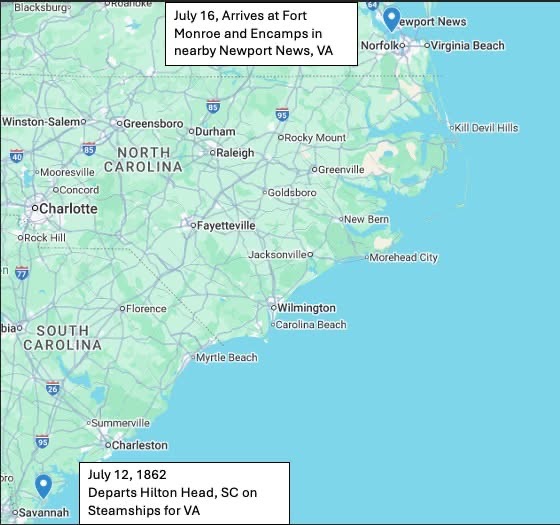
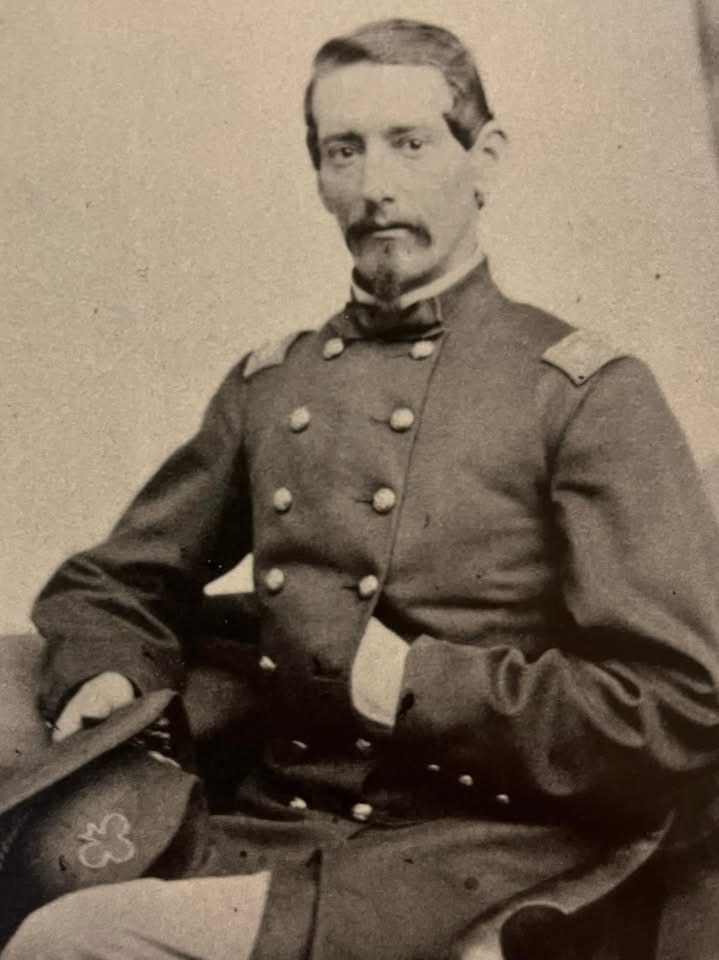
Saturday, July 12th 1862. The 28th Massachusetts, under the command of Dublin-born Major George W. Cartwright, departed Hilton Head SC on steamships headed for Virginia.
Wednesday, July 16, 1862. The Regiment arrived at Fort Monroe, VA, debarking at Old Point Comfort. Upon offloading, the Regiment marched to Newport News VA, and encamped.
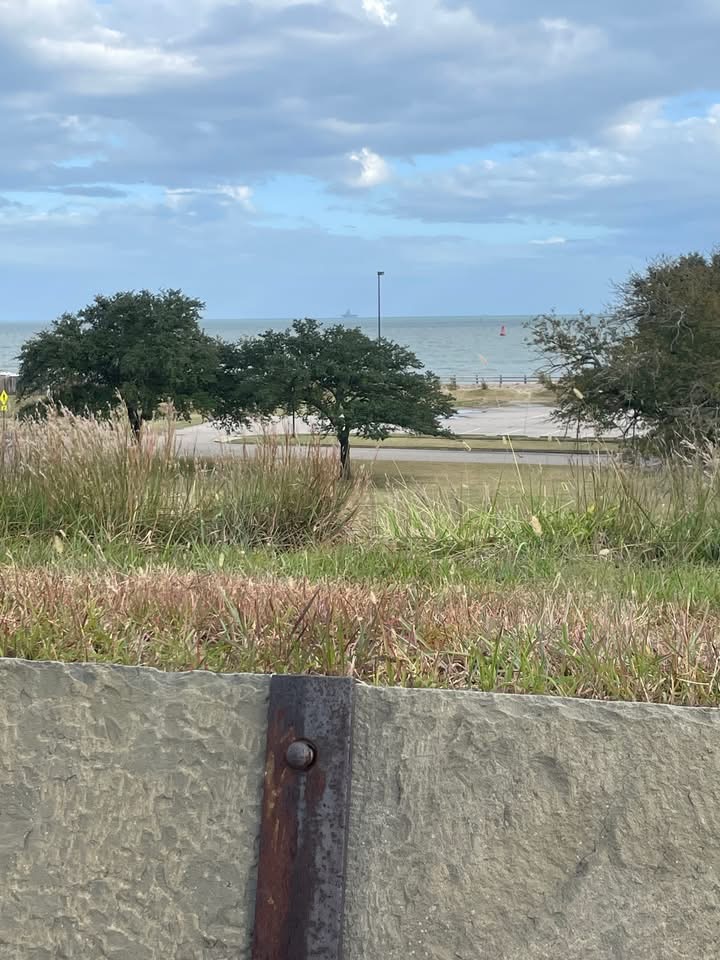
On arrival in Virginia, the Regiment was attached to the 1st Brigade, 1st Division of Major General Burnside’s newly formed IX Corps of Major General McClellan’s Army of the Potomac – they would serve in the IX Corps for most of 1862 when they would, in late November, transfer to the II Corps and the Irish Brigade. This chapter of their history would take them through several major battles including the Maryland Campaign.
Saturday, July 26th, 1862. 28th Massachusetts Commanding Officer George Cartwight is promoted to Lieutenant Colonel. This was effected retroactively.
Monday, August 4th, 1862. The 28th Massachusetts boarded on steamships in the Hampton Roads and embarked for Aquia Landing on the Potomac River. They will spend the next two days on the ships until the 6th where they will disembark and march about 10 miles before encamping in Fredericksburg.
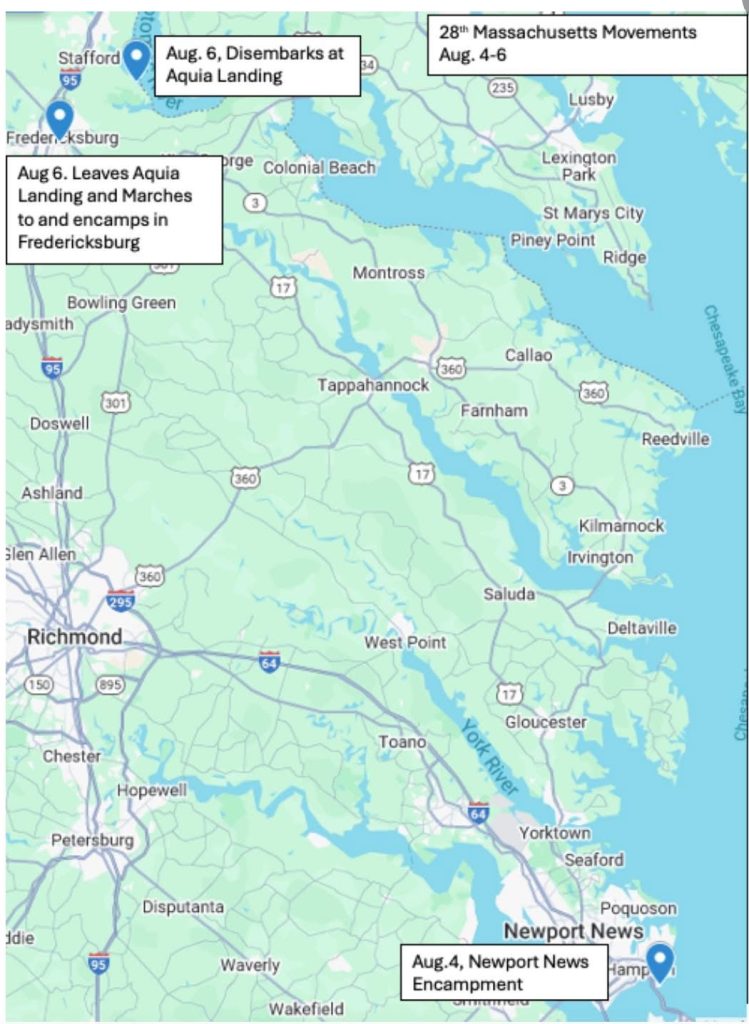
These northward movements were driven by the need of elements of the Army of the Potomac to reinforce General Pope’s Army of Virginia’s increasingly dangerous situation in Northern Virginia
Wednesday, August 13th, 1862. In response to the Battle of Cedar Mountain (Near Culpeper, VA, August 9th, 1862), the 28th Massachusetts packed up and left Fredericksburg on August 13th, leaving behind all excess equipment except shelter tents. They would march 13 miles to spend the night at Deep Run, which crosses modern Rt.17 halfway between Storck and Goldvein, Virginia.
Over the next few days, the 28th Massachusetts would march northwest along the trace of modern Rt. 17 up to Bealeton and then south along modern Rt. 15 to encamp at the river crossing at Rappahannock Station. Then the following day (August 15th), the Regiment would move towards Pope’s forces near Culpeper, VA.
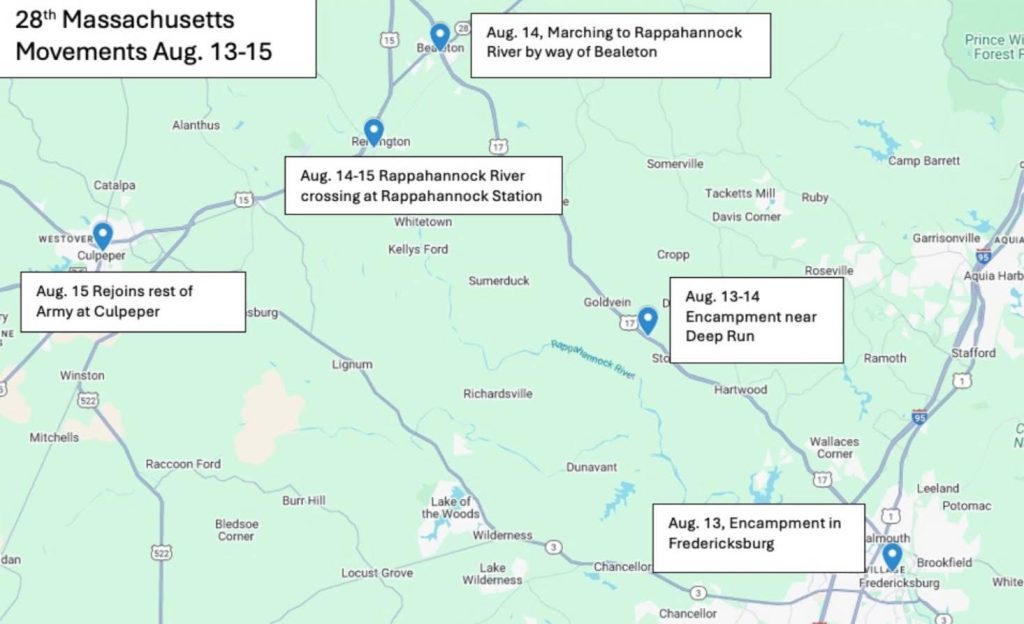
In total, The Regiment marched about 41 miles between Fredericksburg and Culpeper between August 13-15.
Saturday, August 16th, 1862. The morning after reaching General Pope’s forces in Culpeper, the 28th Massachusetts was forwarded to Raccoon Ford, VA to guard the Rapidan River crossing there. The Regiment would occupy this position until August 20th. General Pope was in need of defending all across the Rapidan during this period of time.
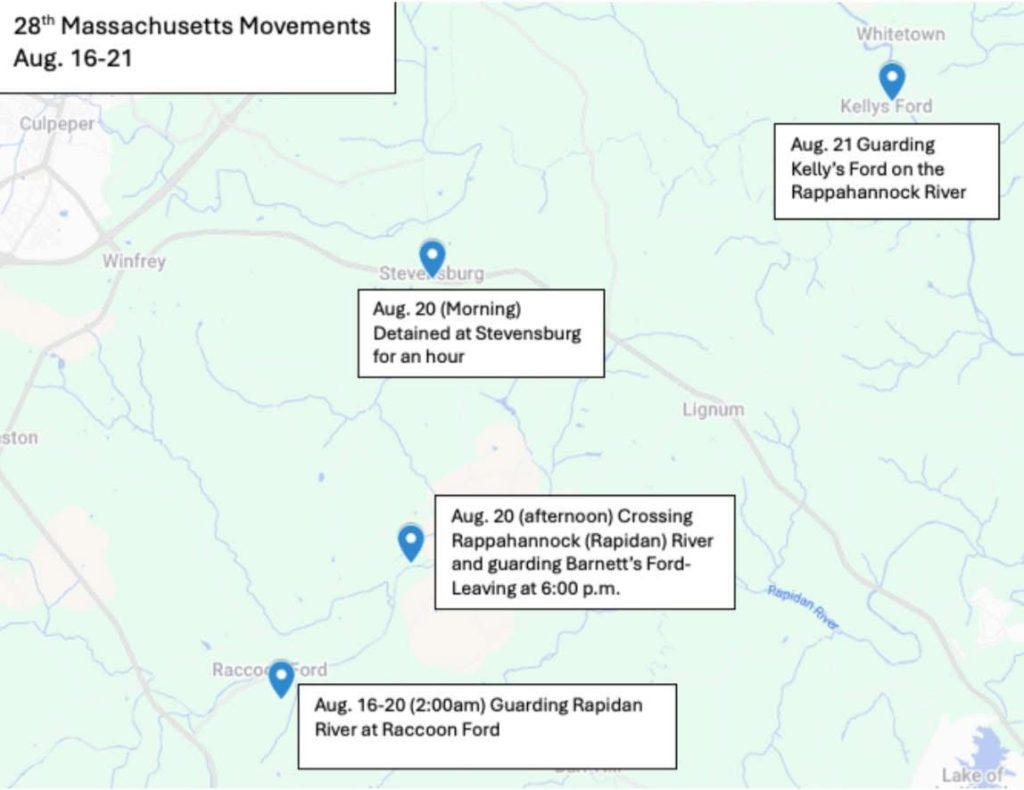
Wednesday, August 20th, 1862. Leaving Raccoon Ford at 2:00am, the Regiment spent a long day on the march. First stop was Stevensburg where they arrived at daybreak. An hour later, they were moving to Barnett’s Ford, a distance of around 12 miles. Circa 6:00pm that evening, the Regiment marched another 8 miles to Kelly’s Ford on the Rappahannock, arriving at midnight – after roughly 22 hours .of movement.
Thursday, August 21st, 1862. The Regiment spent the 21st of August near Kelly’s Ford.
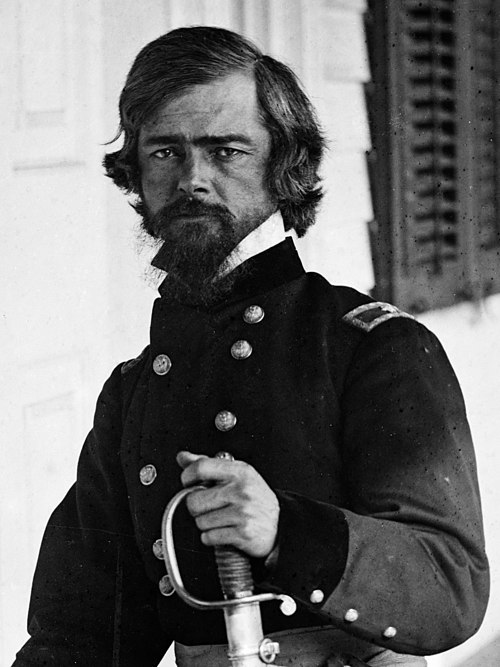
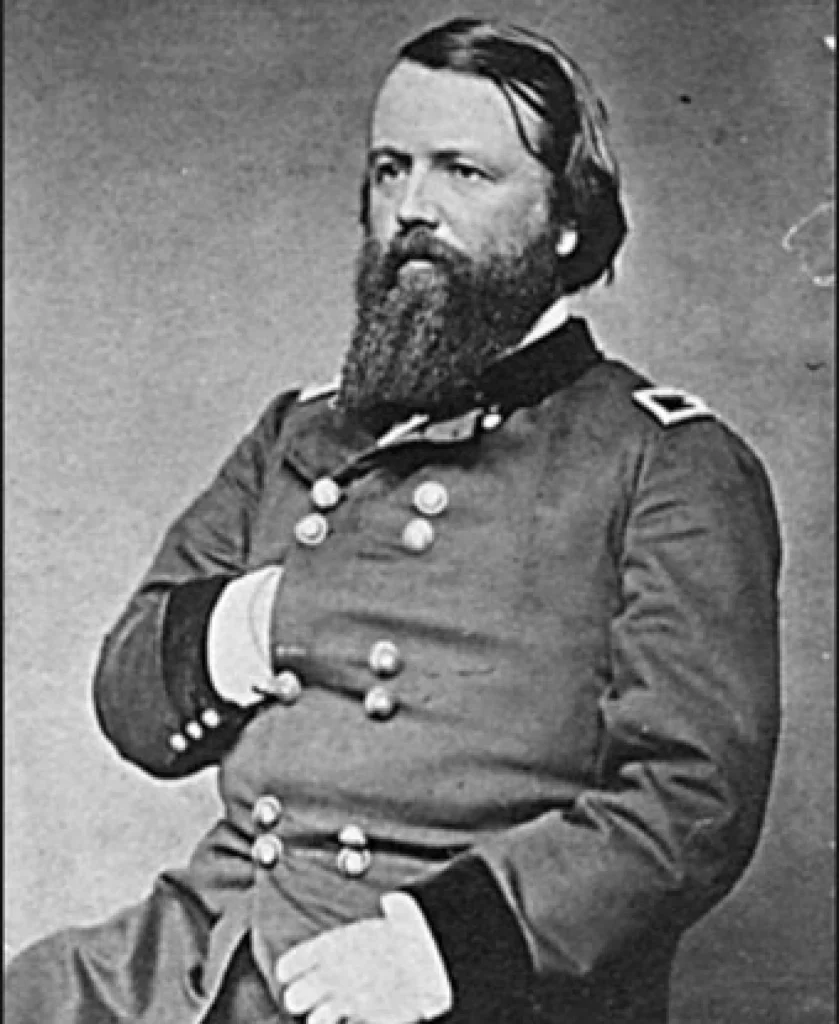
Friday, 22 August 1862. On this day, the Regiment sees its first combat action in Virginia, in support of General John Pope’s Army of Virginia.
It was in Federal interest to guard the river crossings up and down the Rappahannock River from the Confederate Army. To this end, the 28th Massachusetts was tasked to secure Kelly’s Ford from a Confederate advance. On the 22nd of August, there was a sharp clash at Kelly’s Ford, where the Regiment (and others) drove back the Confederates.
A biographer of General Stevens – Commander of the Division that included the 28th Massachusetts – described the action at Kelly’s Ford that day as follows: “…he (General Stevens) crossed the river with two brigades in support of a cavalry reconnoissance by General Buford. Deploying the third brigade, the Highlanders and 28th Massachusetts, he drove back a considerable force of the enemy for more than a mile in a sharp action, and, after accomplishing all that was expected or desired, withdrew to the left bank.” (Hazard Stevens in Gen. Stevens biography concerning the Aug. 22 action.)
After the engagement, two unidentified regiments in the Division temporarily remained at Kelly’s Ford while the rest of the Division moved North. All the regiments however would reunite and encamp the next day at Rappahannock Station 4.5 miles from Kelly’s Ford after getting delayed in the Army supply trains.
Sunday, August 24th, 1862. The 28th Mass. was on the march again, moving northwards to Sulphur Springs, VA (Modern Fauquier Springs Country Club) after marching another 12 miles. Weather is extremely hot and humid.
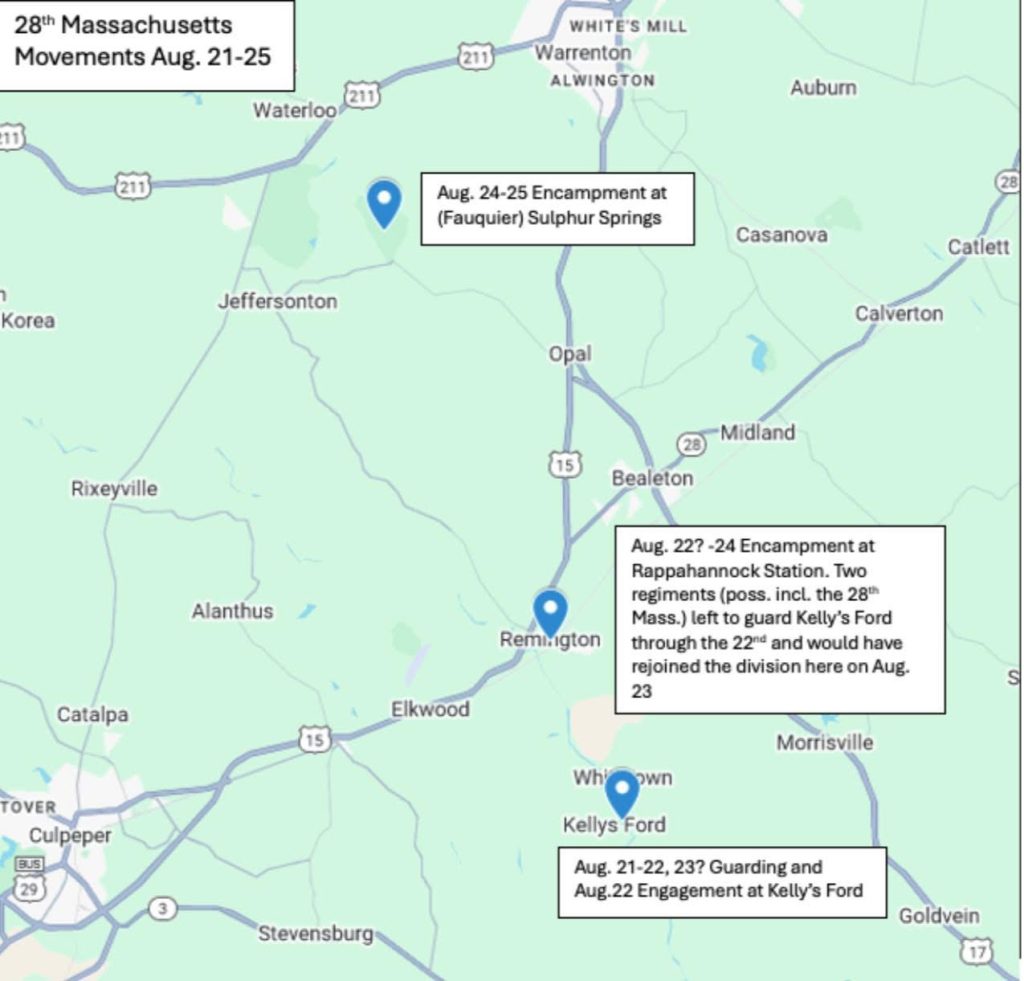
Monday, August 25, 1862. The 28th packed up their encampment at Sulphur Springs, VA and moved across the Rappahannock River at Waterloo. They continued marching through Warrenton towards Warrenton Junction, which they would eventually arrive on August 26.
Wednesday, August 27th, 1862. The Regiment moves about 9 miles north to Greenwich Church where they would stay the night before moving towards Manassas Junction.
Thursday, August 28th 1862. The Regiment would move into a reserve position at Manassas Junction and stay the night until around noon on August 29th, where they would enter combat in the Second Battle of Bull Run. Weather continues to be very hot and humid.

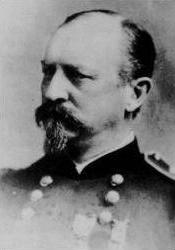
Friday, August 29th, 1862. Second Battle of Bull Run – Day 2. This day marked the second day of the 2nd Battle of Bull Run. The oppressive August heat and humidity escalates with Heat Indexes reported reaching 118F. On this day, the 28th Massachusetts (Now relocated to Steven’s Division’s 3rd Brigade under Col. Addison Farnsworth, late the Commander of the 79th NY Highlanders. It is assumed that this was a local reorganization, as the Third Brigade had just the two Regiments – the 28th Mass and the 79th NY.)
The Regiment left Manassas Junction around noon and marched north on modern Sudley Rd. There they deployed to the battle reinforcing units attacking the Railroad Cut near Sudley Springs.
This was a hard-fought clash. On their left was Schimmelfennig’s Brigade (from the I Corps, Third Division of the Army of Virginia) and on their right was the 79th NY Highlanders of their own Brigade. The Regiment was therefore at the junction of two separate Federal Armies – potentially a signifcant command and control issue.
The biographer of Brig. General Stevens sums up the chaos of action on that day as follows: “…(Schimmelfennig’s) Brigade on Farnsworth’s left, broke at the advance of the enemy, and fell back through the woods, but the Highlanders and Faugh-a-ballaghs (28th Massachusetts) stood firm and repulsed the attack. Soon afterwards the fugitives, having reformed, moved up in line from the rear, and began firing into the backs of the troops who had stood their ground, mistaking them for the enemy; but this was speedily stopped, and they were again placed on the line. “
Through the action in the late afternoon the 28th was forced back to reform with the main line at Sudley Rd.
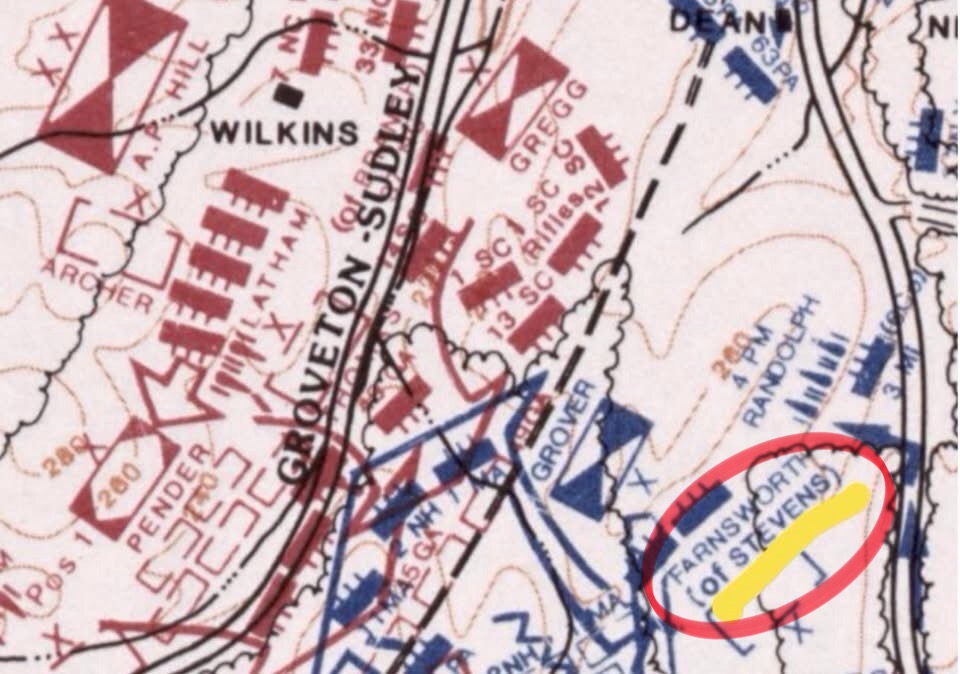
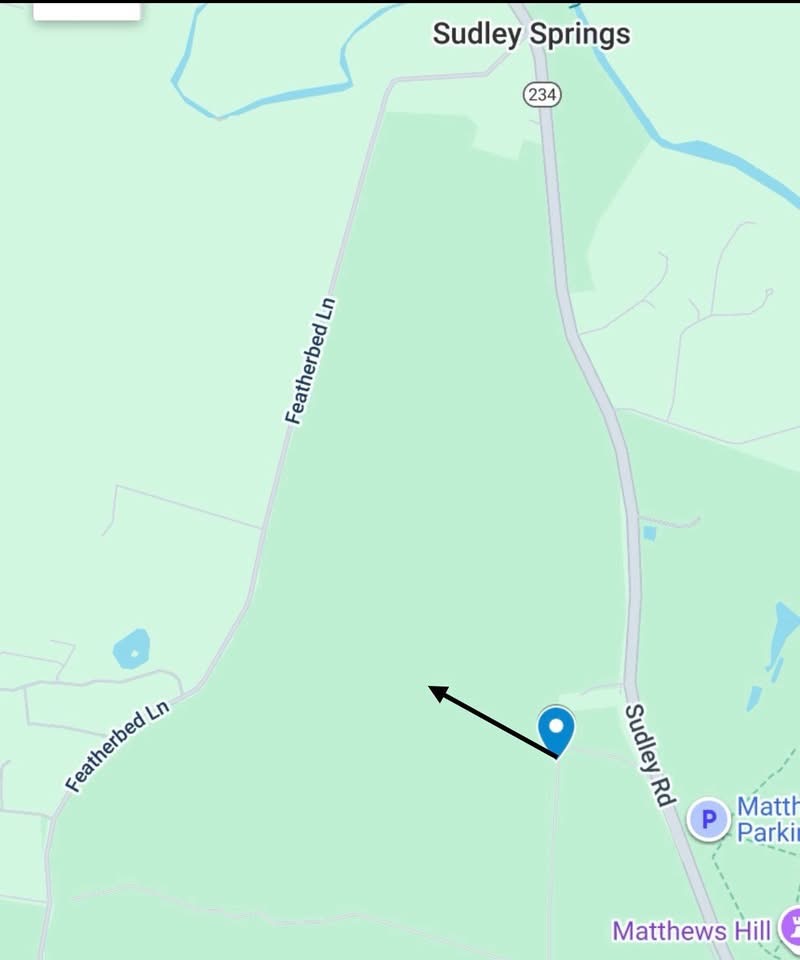
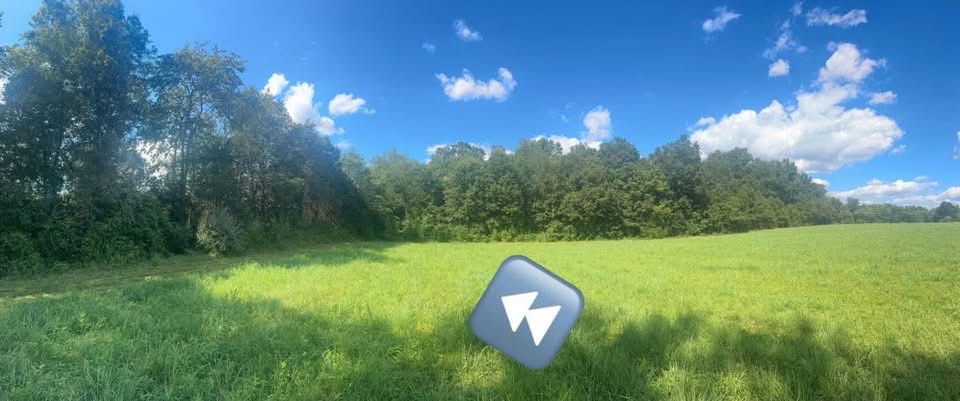
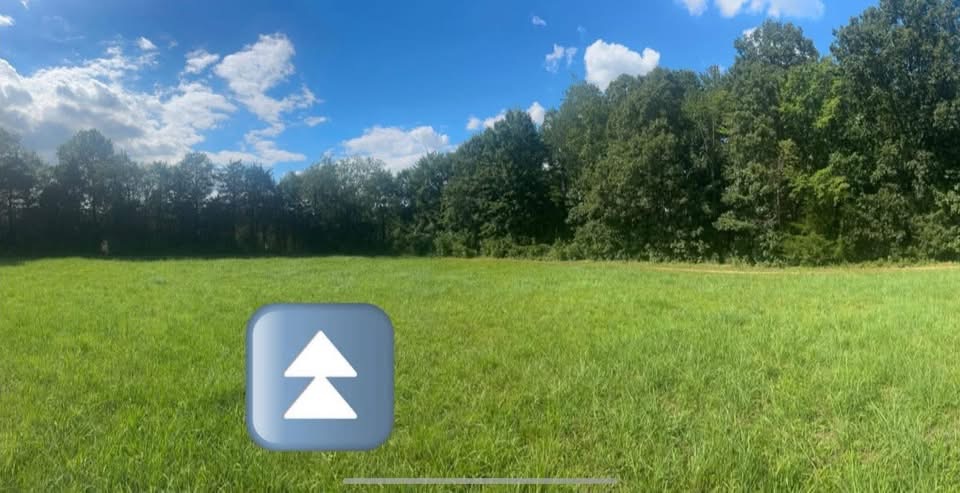
Saturday, August 30th, 1862. Second Battle of Bull Run – Day 3. Weather continues exceptionally hot and humid. On the third day of the battle (August 30), General Pope, believing that the Confederates had weakened their line during the night, ordered another general attack upon the Confederate infantry occupying he unfinished Railroad cut. Accordingly, Gen. Stevens brought his Division (Including the 28th Mass. in Farnsworth’s Brigade) up by columns of brigades and formed on the right of Major General Fitz John Porter’s V Corps (Also of the Army of Potomac, attached to the Army of Virginia.)
The attack meets heavy resistance… Hazard Stevens wrote of his father Gen. Stevens “… at once becomes furiously engaged, and suffers heavy loss, including Colonel Farnsworth, who is severely wounded. General Stevens maintains this contest until Porter’s column is repulsed, when he withdraws his command to the first ridge in rear of the woods, posting his lines just behind the crest, with skirmishers holding the edge of the woods.”
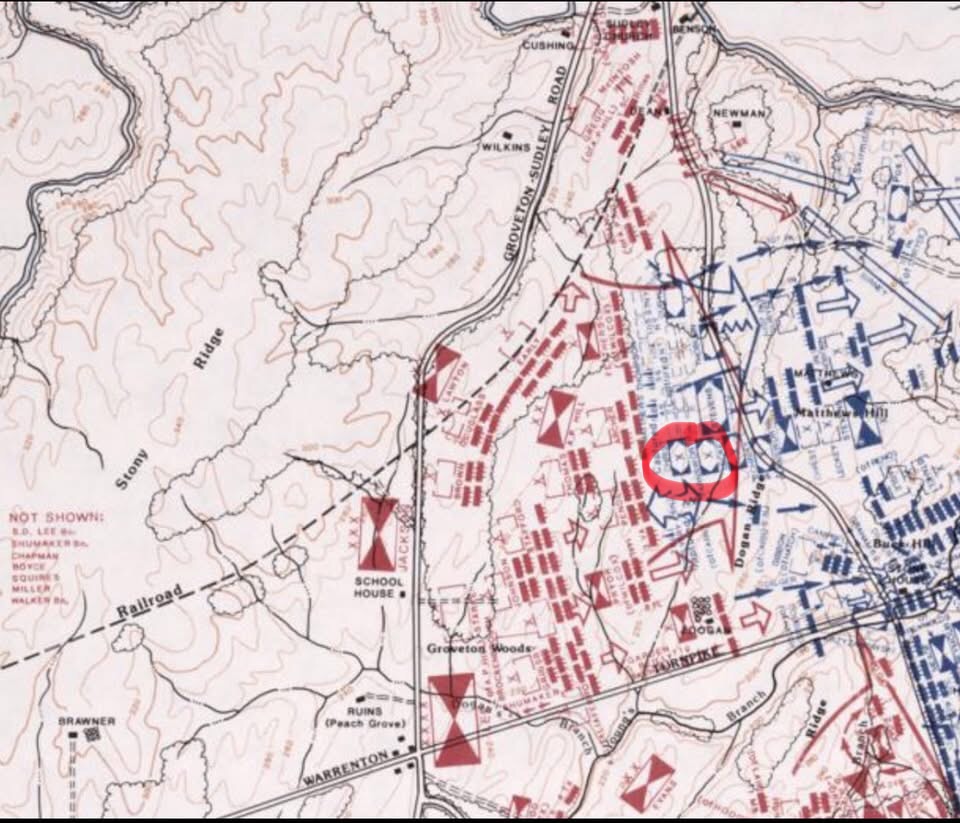

The 28th Massachusetts over the 2 days of fighting had suffered about 135 casualties, including both their Regimental Commander (Lt. Col. George Cartwright) and their Brigade Commander (Col. Addison Farnsworth)
Attached are battlefield maps and pictures to help understand the Aug. 30 attack by the 28th Mass. and if you wish to visit.
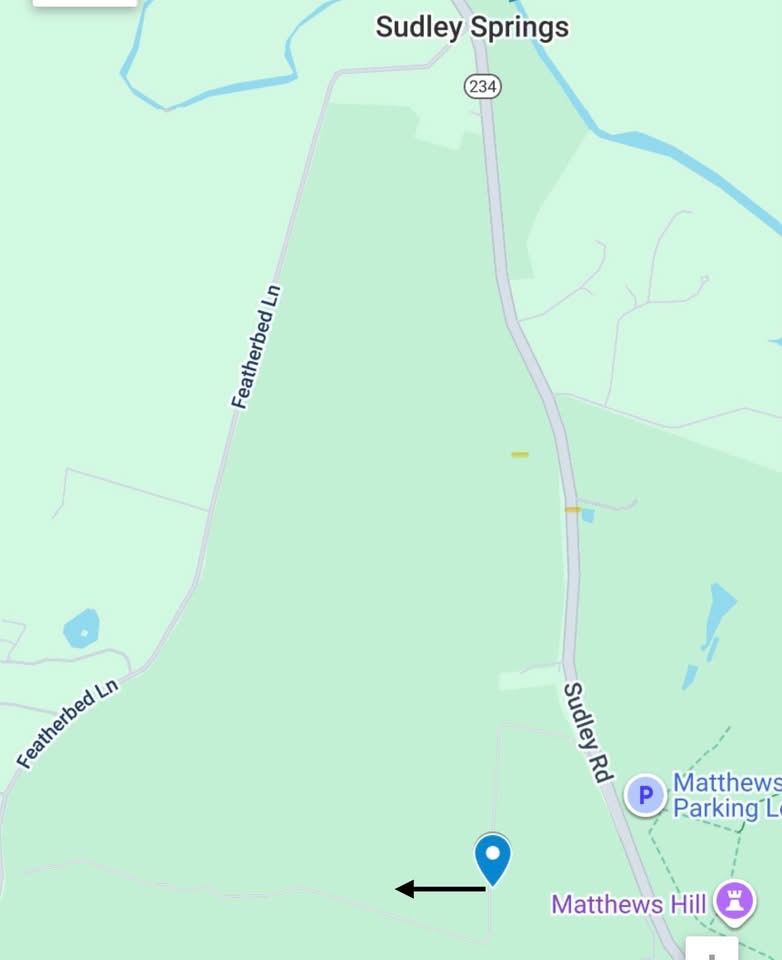
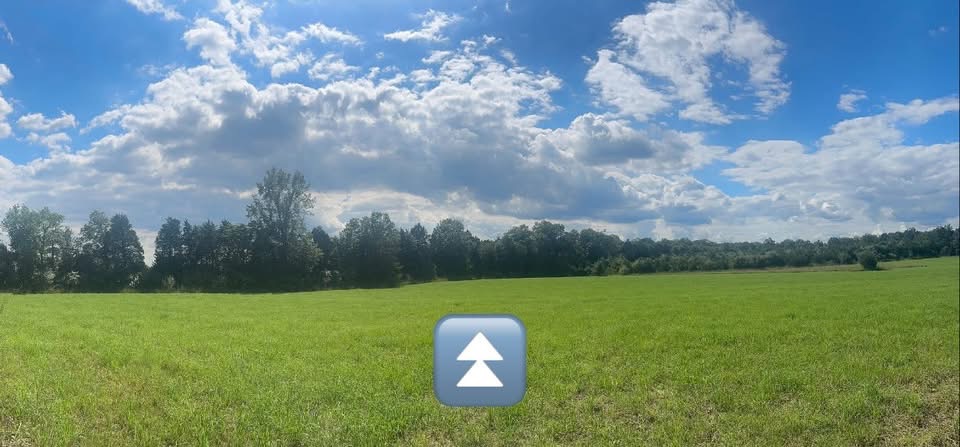
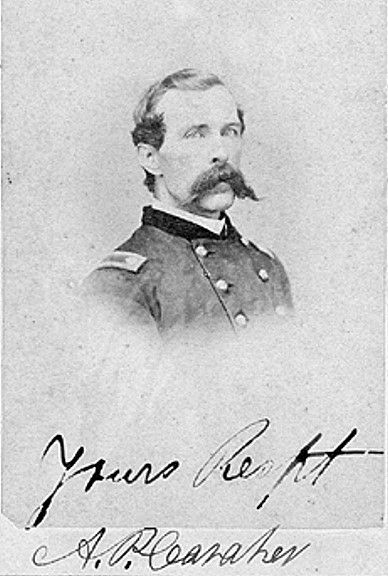
Monday, September 1st, 1862 – Battle of Chantilly. The 28th Massachusetts is now under the command of Captain Andrew P. Caraher, in relief of the wounded Lieut. Col. Cartwright. Caraher, a 33-year old Irish born native of Lynn, Massachusetts, and previously the Company A Commander, would lead the 28th Mass through the Antietam. Campaign, finally relinquishing command to Colonel Richard Byrnes on October 18th, 1862. (Caraher would eventually be promoted Major, with his Commission backdated to 26 July 1862.)
Following the defeat at the Battle of Second Bull Run, Federal forces began a general retreat towards Centreville although Washington was encouraging General Pope to attack the Confederate Army near Manassas. While Pope dithered over what to do, Confederate forces attempted to flank Pope’s Army on his (Pope’s) right. Key terrain in this effort included the Warrenton Pike (modern US Route 28) and the Little River Turnpike (modern US Route 50.) Although committed to the idea of a general retreat towards Washington, General Pope – still unaware of the Confederate flanking effort – nonetheless ordered infantry to go forward to probe for the location of Confederate Forces.
On the morning of the 1st of September, General Pope had become more aware of the Confederate forces moving along the Warrenton Pike and the Little River Turnpike. Accordingly, Steven’s Division of IX Corps- withe 28th Mass — and later, Kearney’s Division of III Corps, were dispatched to block any confederate forces moving along the Little River Pike (Rt 50.).
At about 3 p.m., Stevens’ Division arrived at Ox Hill, SE of Chantilly. Despite being outnumbered, Stevens chose to attack across a grassy field against a division in the Confederate center. The Union attack was initially successful but was ultimately driven back following a counterattack. Stevens was killed during this attack at about 5 p.m., by a shot through his temple.


At approximately 5PM, a severe thunderstorm, with gale force winds, and torrential cold rain arrived. This storm was to become a distinguishing feature of the battle. This tremendous storm – which broke the heat and humidity of the previous weeks – is held as the most violent weather recorded on a battlefield during the Civil War. The storm was so unusual in its strength and ferocity that it ranks with the deaths of Generals Kearny and Stevens as the most remembered aspect of the battle.
William Todd of the 79th NY Highlanders, who attacked on the flank of the 28th Mass recalled “A sudden and severe thunderstorm now burst over the field, and the rain fell in torrents; the heavens grew dark, the thunder rolled, and vivid flashes of lightning illuminated the woods. The din caused by our batteries and musketry, and Heaven’s artillery, with the heavily falling rain, combined to render the scene not only impressive, but awful.”
The following excerpt is from the book Washington Weather by Kevin Ambrose, Dan Henry, and Andy Weiss: “The thunderstorms that occurred during the [Ox Hill] battle were associated with a strong early-season cold front. The front was also accompanied by strong winds. Before the battle, the wind was strong from the south, recorded by the Naval Observatory in Washington to be at Force 6. The next day, on September 2nd, the Observatory recorded winds from the northwest at Force 4, and military records noted that northwest gales hampered shipping on the Potomac River. The Naval Observatory also recorded that 1.08 inches of rain fell [in Washington] during the storm of September 1st, and included the following remark: ‘Commenced an exceedingly heavy rain, with lightning and thunder, at 5:45 p.m.’ (Robert Ross Smith puts the time at 5:00 p.m. at Ox Hill).”
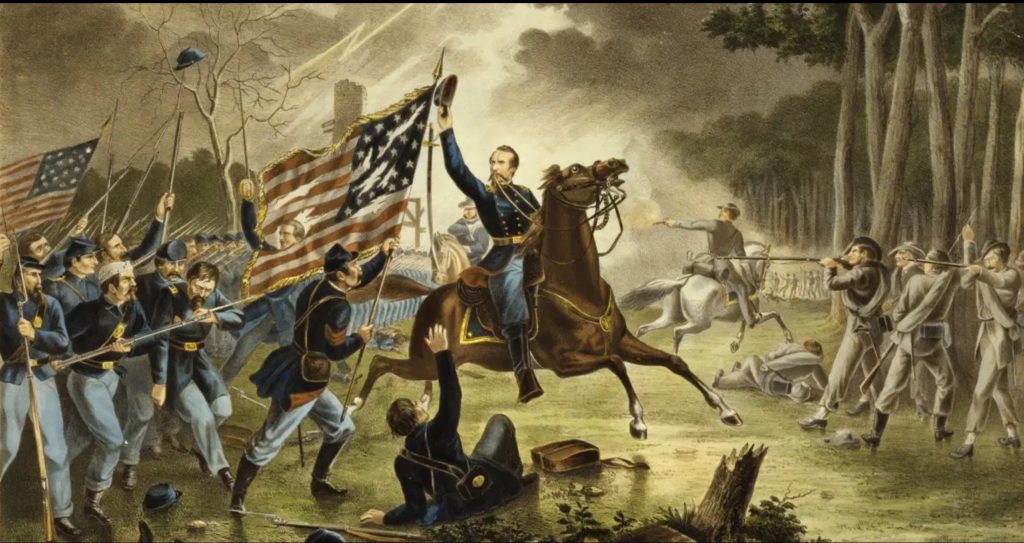
Along with the roughly 99 casualties, the 28th Mass. lost their division Commander General Isaac Stevens, one of two Federal Division Commnders killed that day.Along with the roughly 99 casualties, the 28th Mass. lost their division Commander General Isaac Stevens, one of two Federal Division Commanders killed that day. (The more prominent General Kearny (1st Division III Corps) being the other.)
Today Chantilly Battlefield Park preserves just a small section of the battlefield but remarkably includes a good portion of the route of the 28th Massachusetts’ charge.
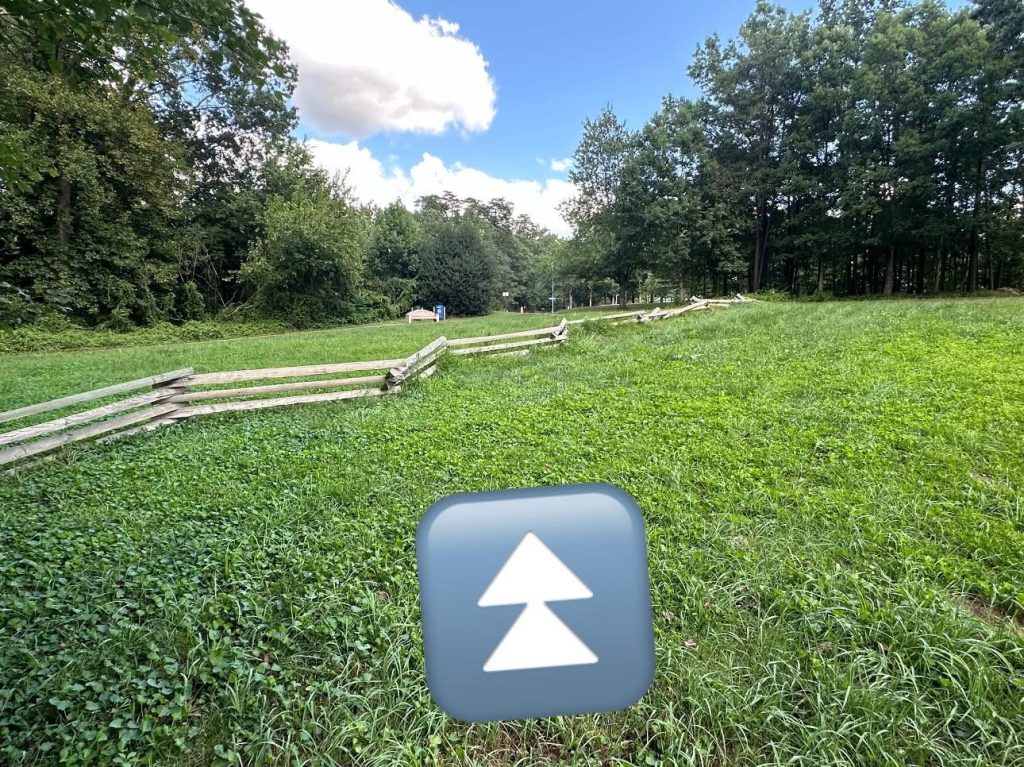
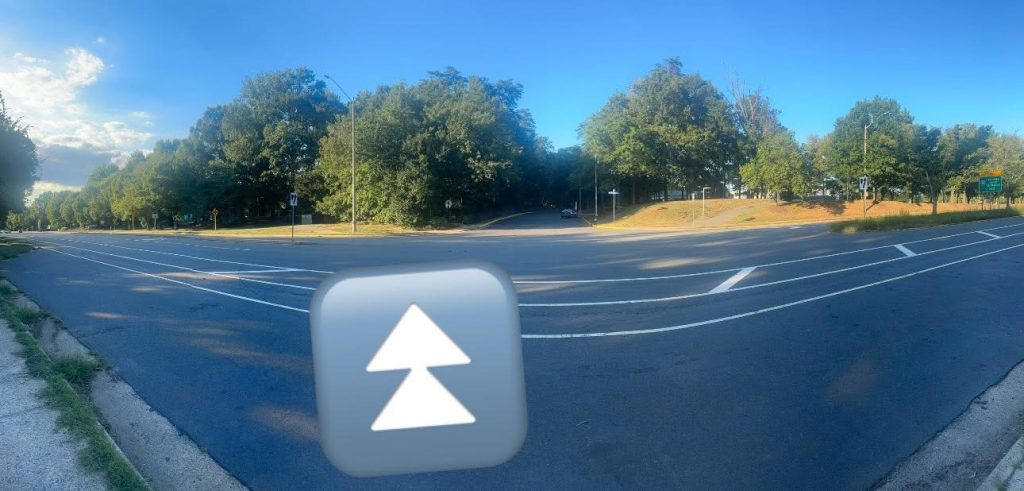
As a side note, it was arguably the loss of the majority of the Chantilly battlefield to urban development that sparked the modern battlefield preservation movement. (See: “Fighting the Second Civil War” by Bob Zeller for more detail.)
Tuesday, September 2nd, 1962. After spending the night of Sept. 1st on the Chantilly Battlefield, the 28th Massachusetts and the rest of the division pulled back to encamp in Alexandria, Va, where they would stay until the early morning hours of Sept. 5.
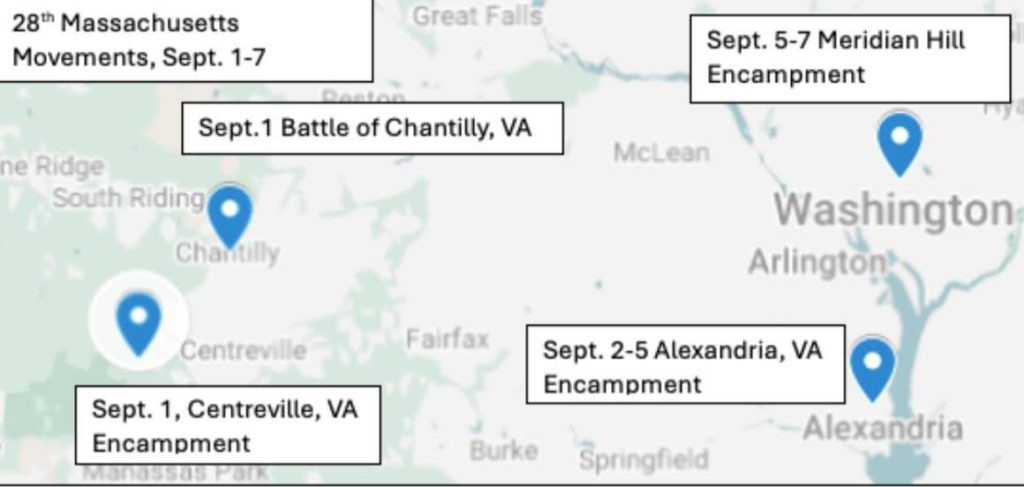
Leaving Alexandria, the Regiment crossed the Potomac on Long Bridge (Railroad Bridge that parallel’s modern Rt.1) to encamp at Meridian Hill in Northwest Washington DC – near the current location of George Washington University. Ironically, the Federal camp at Meridian Hill was called “Camp Cameron” – the same camp name where the Regiment was formed in Massachusetts in 1861. Arriving circa 4 AM, the Regiment would remain at Camp Cameron until Sept. 7th.
Thursday, September 4th, 1862. Fresh off their victory at Chantilly, advance elements of the Confederate Army of Northern Virginia cross into Maryland from Virginia.
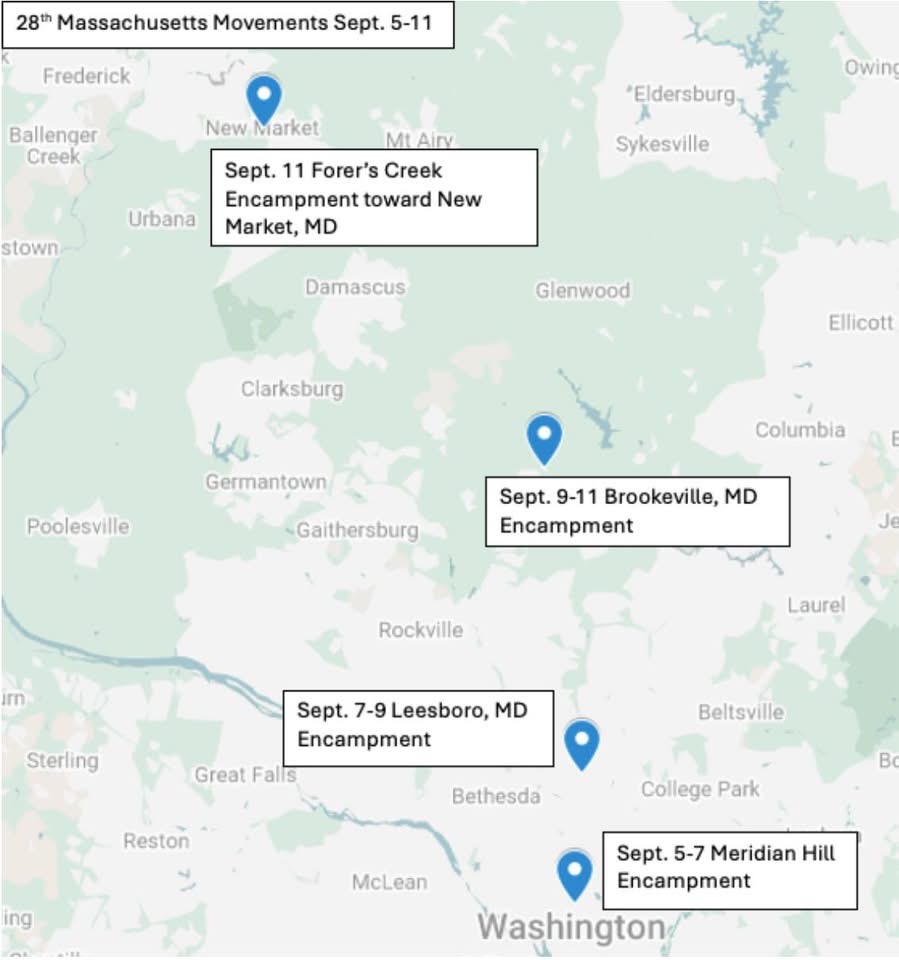
Sunday, September 7th, 1862. The main body of the Army of Northern Virginia crosses into Maryland. The Federal Army of the Potomac under Major General George McClellan begins northerly movement in pursuit of the invading Confederates. What would be later dubbed “the Maryland Campaign” had begun. As part of the Army of Potomac’s chase, the 28th Massachusetts left Camp Cameron, marching north into Maryland.

This first march took the Regiment roughly 9 miles to Leesboro, MD (modern day Wheaton, Maryland), where they would stay until Sept. 9th. During their time at the Leesboro encampment, Brigadier General Orlando B. Wilcox took command of the 28th Mass’ parent Division, replacing General,Stevens (KIA at Chantilly.) Further, the Regiment was returned to the Division’s First Brigade under the command of Col. Benjamin Christ’s – their initial home when they arrived from SC in July.
Tuesday, September 9th, 1862. The 28th Mass moves a further 11 miles up to encamp at Brookeville, MD until Sept. 11th.
Thursday, September 11th, 1862. Sept. 11th was a long march that took the Regiment about 20 miles to Forer’s Creek around New Market, MD.
Friday, September 12th, 1862. On Friday, September 12th, the 28th Massachusetts left their encampment near New Market, MD and marched about 9 miles to camp at Monocacy, MD just outside of Frederick.
Saturday, September 13th, 1862. Continuing northeast on the 13th, the 28th Massachusetts marched about 10 miles to the vicinity of Middletown, MD reaching their destination around 2:00pm.
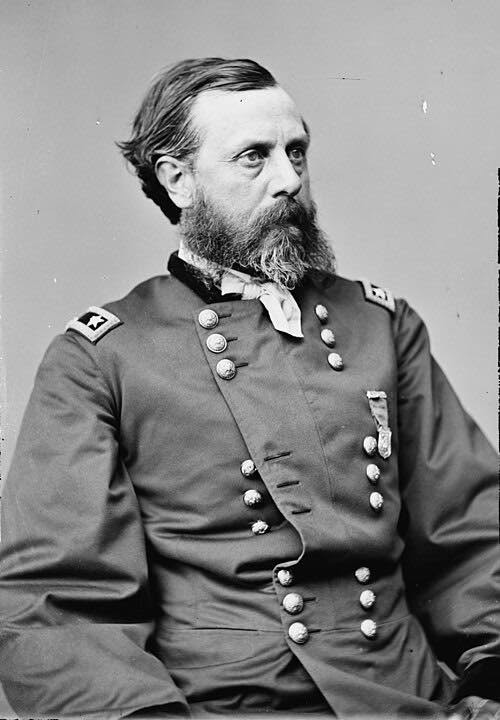
Sunday, September 14th, 1862. From Middletown on the 14th; the 28th Massachusetts would deploy about 5 more miles to the battlefield at Fox’s Gap on South Mountain.
The Battle of South Mountain. The Regiments action in Fox’s Gap in the Battle of South Mountain are as follows:
Through the early action of the engagement, the 28th Massachusetts was held in reserve directly behind the 17th Michigan while they began their attack. These two regiments were the only ones protecting the right flank of the Old Sharpsburg Road which was the strategic objective passing through Fox’s Gap.
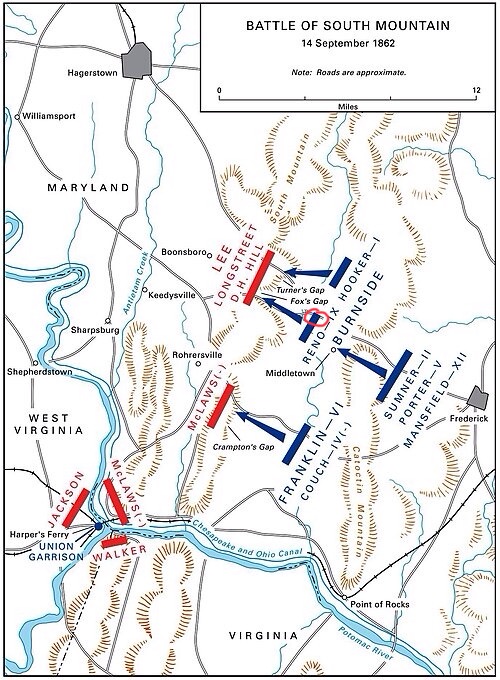
In the afternoon, a Confederate counterattack swept in and the battered 17th Michigan and other IX Corps Regiments needed help. The 28th’s Brigade Commander Col. Christ seeing this, noted in his report… ““Later in the day the…Twenty-eighth Massachusetts Volunteers were ordered to the front, and assisted in repulsing the enemy in his second attempt to force our lines.” Christ also added after the engagement: ”With. few exceptions, both officers and men discharged their whole duty.”
The 28th Massachusetts suffered around 8 casualties (all wounded) during the battle, including 1 officer. The most influential casualty of the day was IX Corps Commander Maj. Gen. Jesse Reno who was killed in action.
That night the 28th Massachusetts would have stayed on the battlefield securing the Old Sharpsburg Rd. passing through Fox’s Gap.
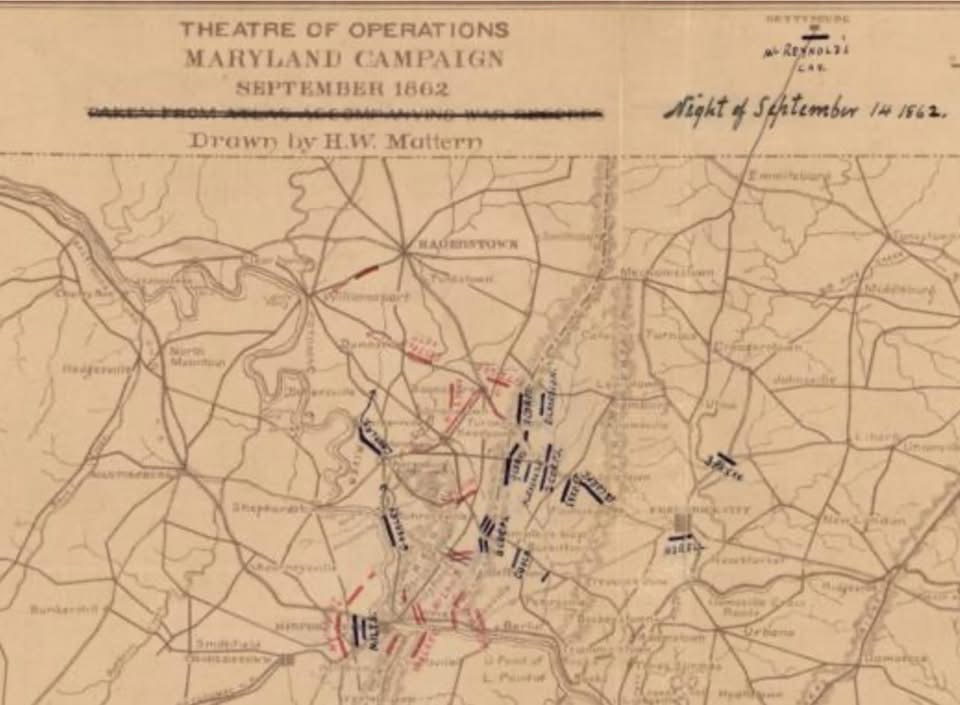
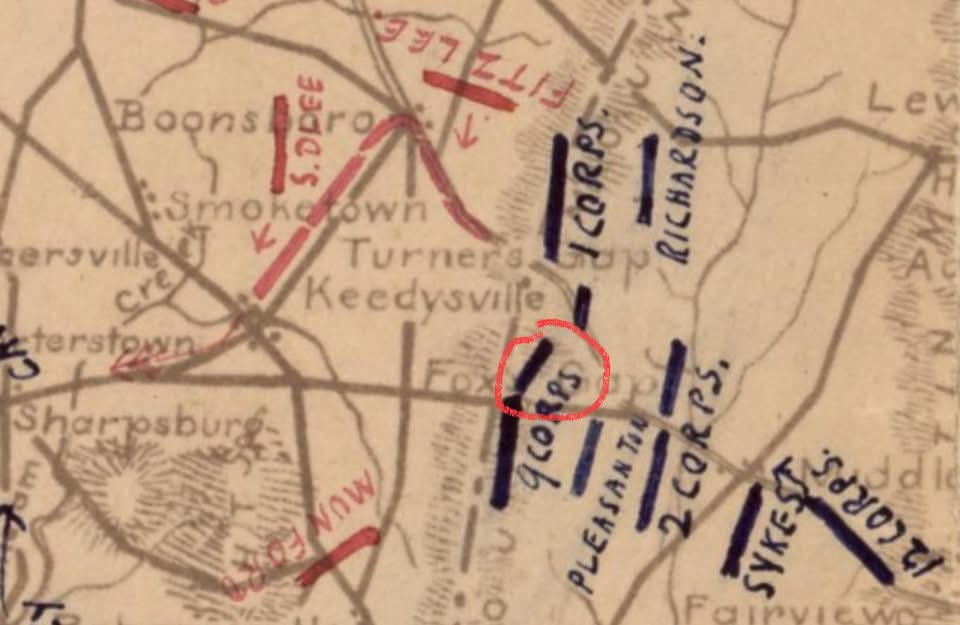
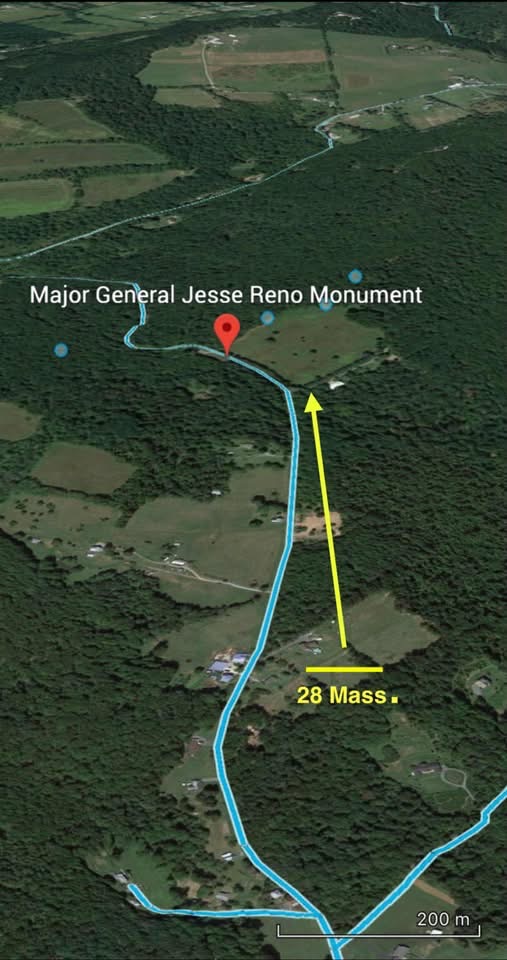
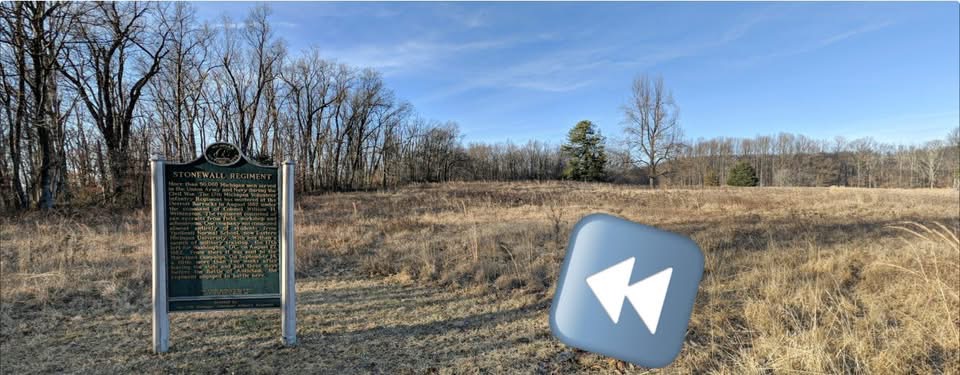
Monday, September 15th, 1862. After spending the night of the 14th on the battlefield, the 28th Massachusetts crossed over South Mountain on September 15th headed towards Porterstown, MD, a distance of roughly 6 miles. Arriving after 11PM, the Regiment immediately camped. they will remain in place until the 17th.
The Porterstown encampment was not without its excitement. First Division artillery, 2nd U.S. Battery E under Lt. Samuel Benjamin became entangled in an artillery engagement. As a result, the 28th Massachusetts, along with the other regiments under Col. Christ’s brigade were deployed on picket duty.

Wednesday, September 17th, 1862. The Battle of Antietam. The 28th Massachusetts and the rest of Col. Christ’s Brigade were involved in the thick afternoon fighting near the Lower Bridge (Now Burnside’s Bridge).
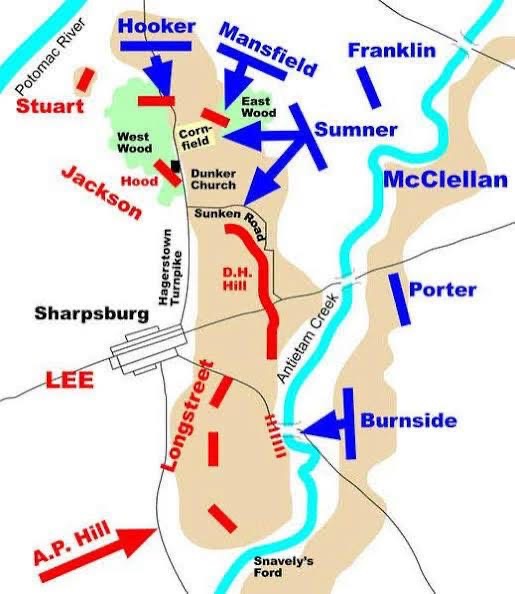
After other IX Corps units had secured the bridge around 1:00pm, the 28th Massachusetts and the rest of their division formed up as part of a large attack into the town of Sharpsburg where a portion of Confederate Gen. Longstreet’s men were protecting.
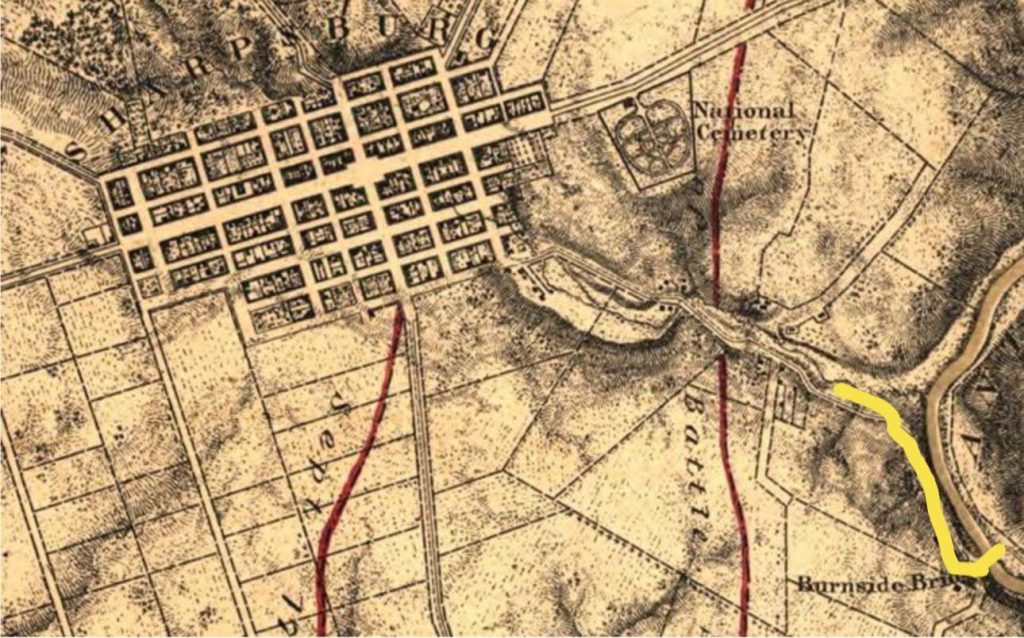
Gen. O.B. Willcox (First Division CO), noted that they “…crossed to the west bank by the stone bridge, and took position on Rodman’s right and on both sides of the road, toward Sharpsburg, and engaged the enemy driving them in confusion from their position opposite our front, and held the position till ordered by General Burnside to fall back a short distance…”
Col. Christ gave a deeper sense of what the challenges were in this attack: “While halting under cover from the enemy directly in front, he opened a battery on my left which commanded my whole line from left to right, and for thirty minutes we were under a most severe fire of round shot, shell, grape, and canister, and suffered severely.”

It wasn’t until the left side of the attack formation formed up did Col. Christ and the 28th Massachusetts feel relief.

Christ added, “A demonstration on the left compelled the enemy to change the direction of his fire, and my supports coming, we moved to the front, where we engaged the enemy on his left, and in about one hour succeeded in driving both his artillery and infantry from the position.”
The advancing formation included the 17th Michigan leading the advance with the 28th Massachusetts and the 50th Pennsylvania advancing behind them giving support.
After the Confederate counterattack by Gen. A.P. Hill, the IX Corps all fell back to the heights securing the bridge where they would sleep that night on the battlefieldThe 28th Massachusetts suffered a total of around 51 casualties as a result of the actions at Antietam, including 18 killed.
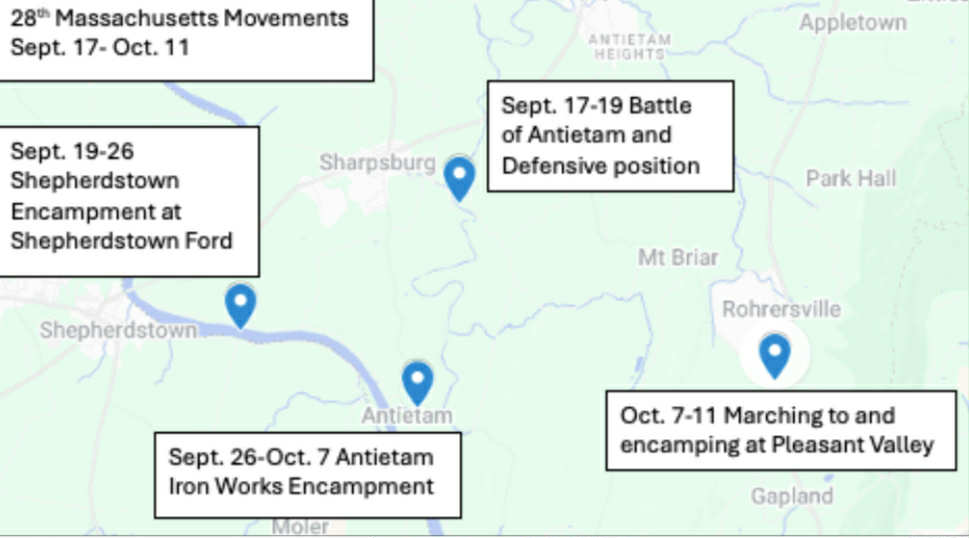
Friday, September 19th, 1862. After the battle, the Regiment was assigned to guard the Lower Crossing (Burnside’s Bridge) for several days. On Friday, Sept. 19th, the 28th Massachusetts began moving southwest towards the Potomac River. On the 19th, the Regiment marched about 7 miles to Sheperdstown Ford on the Potomac. There they would stay roughly a week.
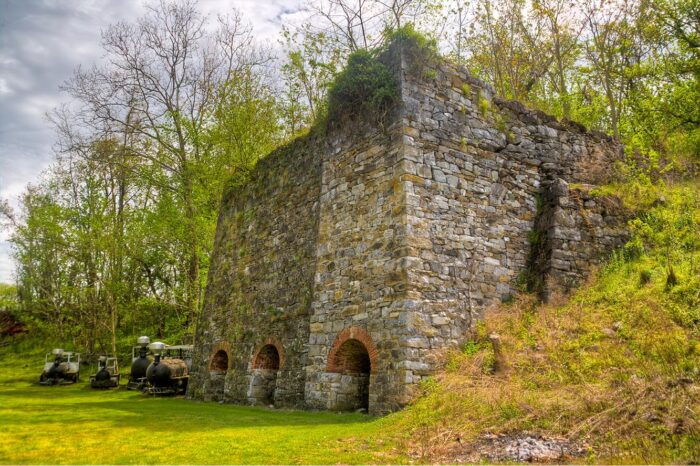
Friday, September 26th, 1862. On the 26th, the 28th marched about 5 miles to the Antietam Iron Works, where they would stay until Oct. 7th. While at the Iron Works, Gen. Willcox added that they spent the time “…drilling and doing picket duty.”
Tuesday, October 7th, 1862. On Oct. 7th, the Regiment encamped in Pleasant Valley, MD, likely south of Rohresville. the Pleasant Valley was home to numerous Federal camps at this time, as the Army of Potomac recovered from the hard marching and fighting of the previous weeks. The Regiment would spend several days resting before being called to other duties on the 11th.
Saturday, October 11th, 1862. On October 11th, a large part of the Division left and scattered around the surrounding area on different assignments. The First Brigade (which the 28th was a part) left to garrison in the city of Frederick, MD and stayed there until Oct. 15 where they headed back to Pleasant Valley.
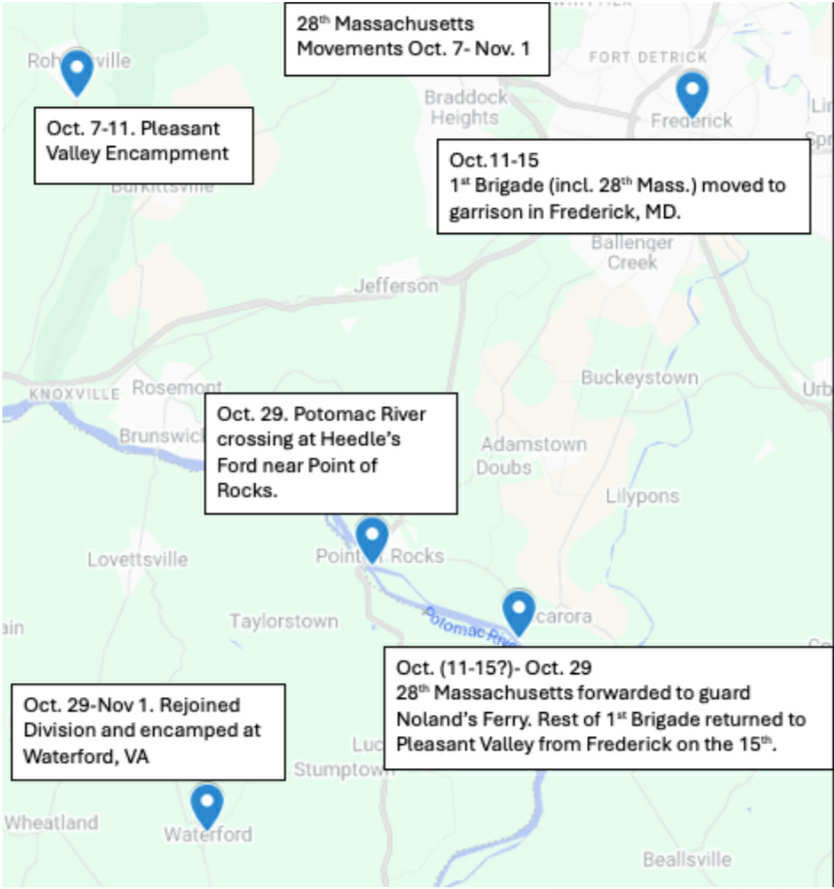
Sometime during this period the 28th Massachusetts continued toward the C&O Canal to guard Noland’s Ferry. The Regiment would stay at Noland’s Ferry until Oct. 29th.

Saturday, October 18th, 1862. On Oct. 18th, Col. Richard Byrnes arrived to take command of the 28th Massachusetts. Born in Ireland, the 30-year old Byrnes was an Army Regular of 9-years service with the 2nd and 5th US Calvary (whose pre-war Officer rolls reads as a “who’s who” of Civil War Generals.) Appointed to Command by Governor Andrew of Massachusetts, the appointment of Byrnes – an outsider – led seven officers to resign in protest.
Colonel Byrnes immediately tightened discipline in the regiment, relieving the sergeant major and quartermaster sergeant and instituting daily drills and inspection. Captain Andrew Caraher, who had been in command since the wounding of Lt Col Cartwright on August 30th, was sometime in this period elevated to Major, remaining with the Regiment.
Wednesday, October 29th, 1862. While the rest of the Division returned into Virginia on Oct. 26th using a pontoon bridge at Berlin, (Now Brunswick, MD). The 28th Massachusetts crossed about 5 miles away from Noland’s Ferry at Heedle’s Ford near Point of Rocks, MD on Oct. 29th.
After crossing into Virginia the 28th Massachusetts would march for another 10 miles to rejoin the rest of the Division at Waterford, VA. This is where they would encamp until Nov. 1st.
Sunday, November 2nd, 1862. After rejoining the rest of the Division at Waterford at the end of October; the 28th and the rest of the entire IX Corps would slowly work their way to the Rappahannock sector. On November 2nd, the 28th Mass. would march through an area called Harmony to encamp at Philomont near modern Unison, VA.
The next day, Nov. 3rd, the Regiment would move their encampment about eight miles to Upperville, VA and stay there two nights. And on the 5th, the Regiment would move a further 6 miles to Rectortown, VA.
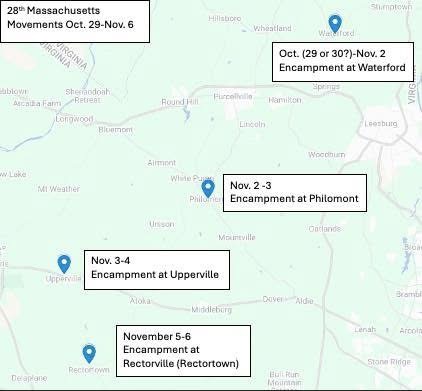
Thursday, November 6th, 1862. On Nov. 6th, the Regiment marched around 13 miles to Orlean, VA. Then proceeded on the 7th to Waterloo, VA on the Rappahannock River. There they would stay there until November 15th. The weather was cold and snowy.
Saturday, November 15th, 1862. Nov. 15th was a busy day for the 28th Mass.. After the Second Division under Brig. Gen. Samuel Sturgis was attacked with artillery fire, the First Division of which the 28th was still a part, moved to secure the main pike at White Sulphur Springs. (Likely modern Springs Rd. at Fauquier Springs Country Club).
During the evening on the 15th, The Regiment proceeded a further 10 miles to encamp at Rappahannock Station near Remington, VA until Nov. 17th.

Monday, November 17th, 1862. On November 17th, the 28th Mass. left Rappahannock Station and marched up to Morgansburg, VA about 5 miles away.
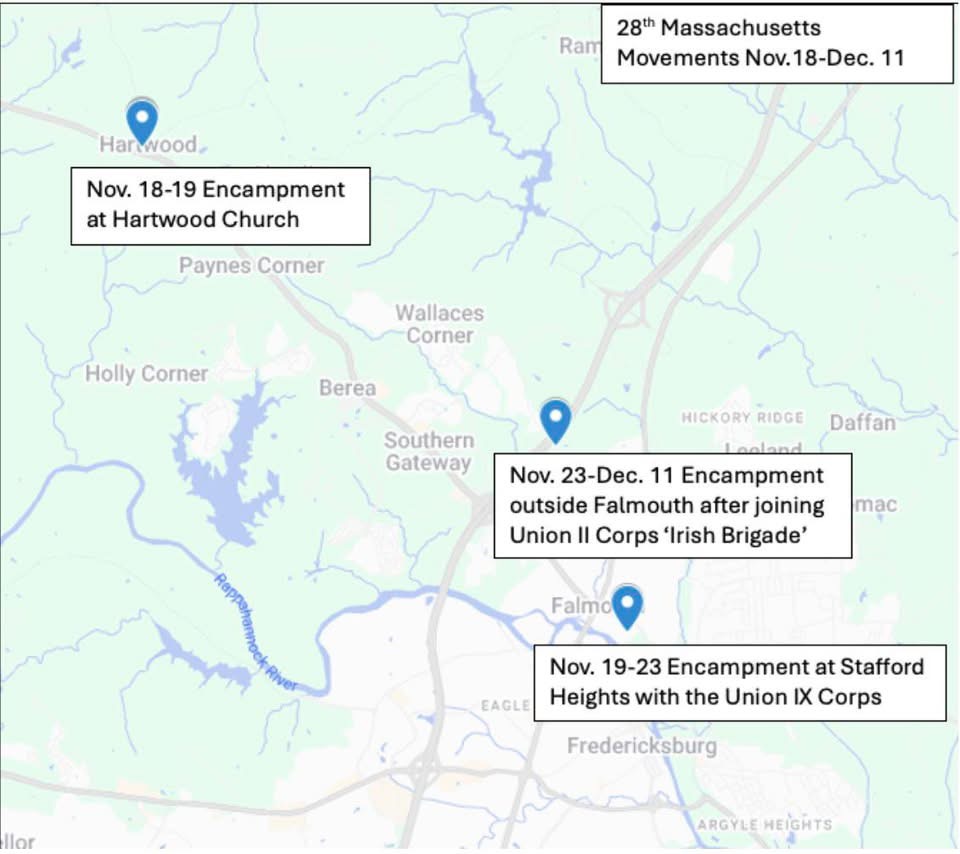
Tuesday, November 18th, 1862. On November 18th, the Regiment marched around 18 miles down modern Route 17 to Hartwood Church. Then would resume marching towards Falmouth opposite Fredericksburg on the 19th.
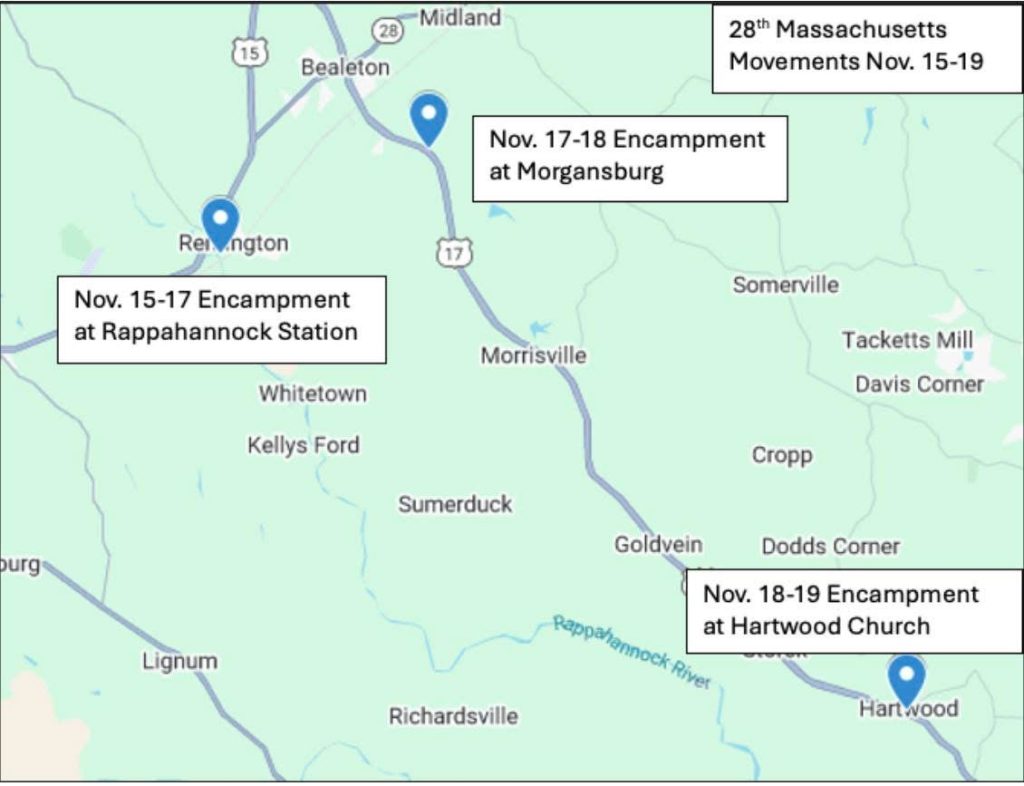
Good evening 28th Massachusetts! This is the last update in the 163rd anniversary Regimental movements before the Battle of Fredericksburg anniversary.
Wednesday, November 19th, 1862. On November 19th, the 28th Massachusetts had marched the remaining 10 miles and settled into Stafford Heights overlooking the city of Fredericksburg.
Sunday, November 23rd, 1862. On November 23rd, their service to the U.S. IX Corps had ended and they packed up and moved positions just outside of Falmouth to transfer into Gen. Thomas Meagher’s famed ‘Irish Brigade’ in the II Corps.
There had been a welcome ceremony by the units in which the entire brigade formed for the acceptance of the 28th Massachusetts. The regiments presented arms with open ranks and the 28th Mass. marched through with arms at the carry. The brigade initiated cheers from the units to welcome the new regiment and were well received and returned from the 28th.
Their transfer into the Irish Brigade also came with it a new symbol for the unit. Gen. Meagher had previously commissioned a green Regimental color by Tiffany and Co. for the 4th Regiment of the Irish Brigade. The (Non-Irish) 29th Massachusetts, who were transferring out of the brigade never adopted the colors. When the 28th Mass. joined the Brigade the colors were adopted and used by the 28th.
This encampment would be their last stop before the Battle of Fredericksburg began.